Post inflammatory hyperpigmentation is one of the most visible complications you can trigger in skin of colour, yet it is also one of the most preventable. For Black, Asian, Middle Eastern and many mixed-heritage clients, a single bout of inflammation, a too-strong peel or an over-zealous laser pass can leave a mark that lingers for months, even years. PIH is not only a clinical issue, it is also an emotional and reputational one for salons, clinics and aesthetic practitioners.
Read MoreVitamin C has moved from niche antioxidant to non-negotiable in many professional skincare menus. Yet for every client who swears by their brightening serum, there is another who reports stinging, flushing or rough texture after introducing it. For practitioners, understanding why vitamin C behaves beautifully in some skins and irritates others is essential for safe recommendations, realistic expectation-setting and troubleshooting when things go wrong.
Read MoreChitosan has spent decades in the quiet end of healthcare, tucked into dressings and gels in hospital wound wards. Now it is edging into beauty hall territory. The ingredient crossed over into mainstream beauty headlines in 2024 when Dyson unveiled its first Chitosan styling range, powered by chitosan derived from oyster mushrooms and engineered with its Triodetic technology for flexible, long lasting hold in hair styling products. For many consumers, that launch was the first time they had seen the word on shelf. For formulators and clinicians, it was a reminder that one of medicine’s most versatile wound polymers is finally being taken seriously for everyday barrier care.
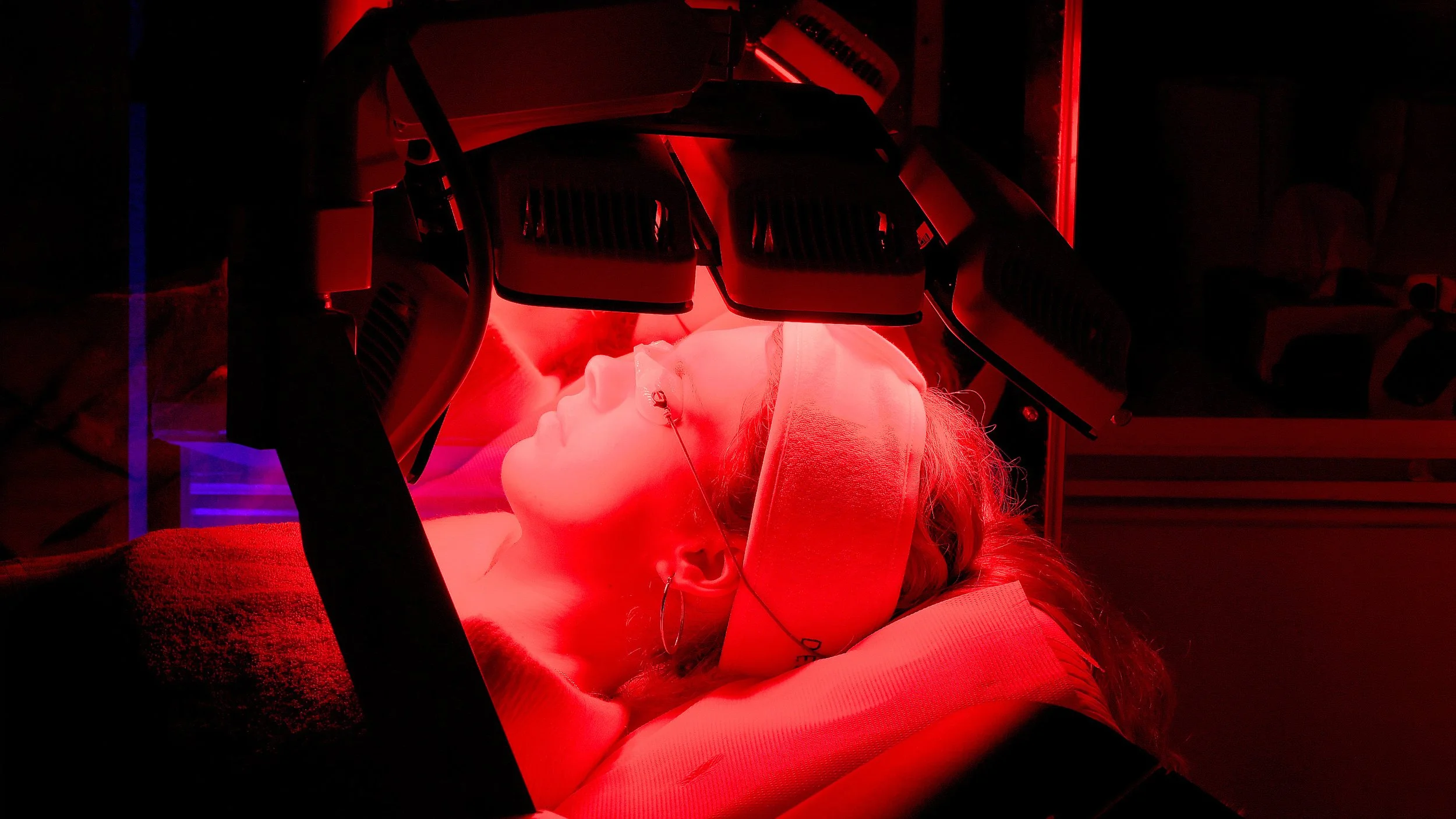
Read MoreWhen the Advertising Standards Authority (ASA) announced that it had banned a series of LED face mask adverts over acne and rosacea claims, it sent a clear signal to the beauty sector. Four brands were found in breach of the CAP Code after social media and website ads claimed their masks could “treat acne”, “heal rosacea” and “kill acne causing bacteria”, often backed with before and after images. Both acne and rosacea are classified as medical conditions in UK law, which means any device claiming to treat them must be registered with the MHRA as a medical device and supported by robust clinical data.
Read MoreA 5 News undercover investigation has found beauty clinics across the UK offering microneedling facials that use exosomes harvested from human tissue, despite UK rules that prohibit human-derived material in cosmetics. In the report, some clinics acknowledged using products sourced from umbilical cord blood or liposuction fat.
Read MoreWhen Dua Lipa unveiled DUA, a three-piece skincare line created with Augustinus Bader, industry watchers clocked more than another celebrity drop. It looks like a new blueprint for how fame, science and price architecture can co-exist without cannibalising the parent brand or exhausting consumers who are weary of celebrity-fronted launches. The range launched on 4 November 2025 with a cleanser, a glow serum and a moisturiser priced roughly $40 to $85, well below Augustinus Bader’s core line. The line uses a proprietary complex called TFC5, positioned as a gentler sibling to AB’s hallmark TFC8.
Read MoreShay Mitchell’s launch of Rini, a kids’ skincare line for children as young as 3, has intensified a debate already rumbling through clinics, schools and social feeds: should children have skincare routines at all, and if so, what do they need. The short answer from dermatology literature and UK clinical guidance is simple. Healthy children need very little beyond gentle cleansing, moisturising when skin is dry, and rigorous sun protection. Everything else risks irritating an evolving skin barrier or normalising cosmetic overuse at an early age. The longer answer is that needs change with biology, not marketing cycles, and that biology is clear.
Read MoreLemon essential oil is popular with formulators because it smells clean, cuts through oil, and carries a reputation for brightening. Its activity comes largely from volatile monoterpenes such as limonene, β-pinene and γ-terpinene, with smaller amounts of citral and related compounds. In vitro and ex vivo work shows antioxidant capacity and broad antimicrobial effects against several bacteria and fungi, which helps explain its use in products aimed at oily or blemish-prone skin and as a natural preservative adjunct. That said, most efficacy data sit at bench scale rather than in robust clinical trials, so positioning should be measured.
Read MoreA smarter face plan starts behind the lips. We explore how tooth position, gum contour and bite shape lip support, soften folds and rebalance the lower third, often reducing the need for injectables. With clear visuals, case planning and Dr Yasmin’s insight, it’s key to understand when dentistry should come first and how to sequence the rest.
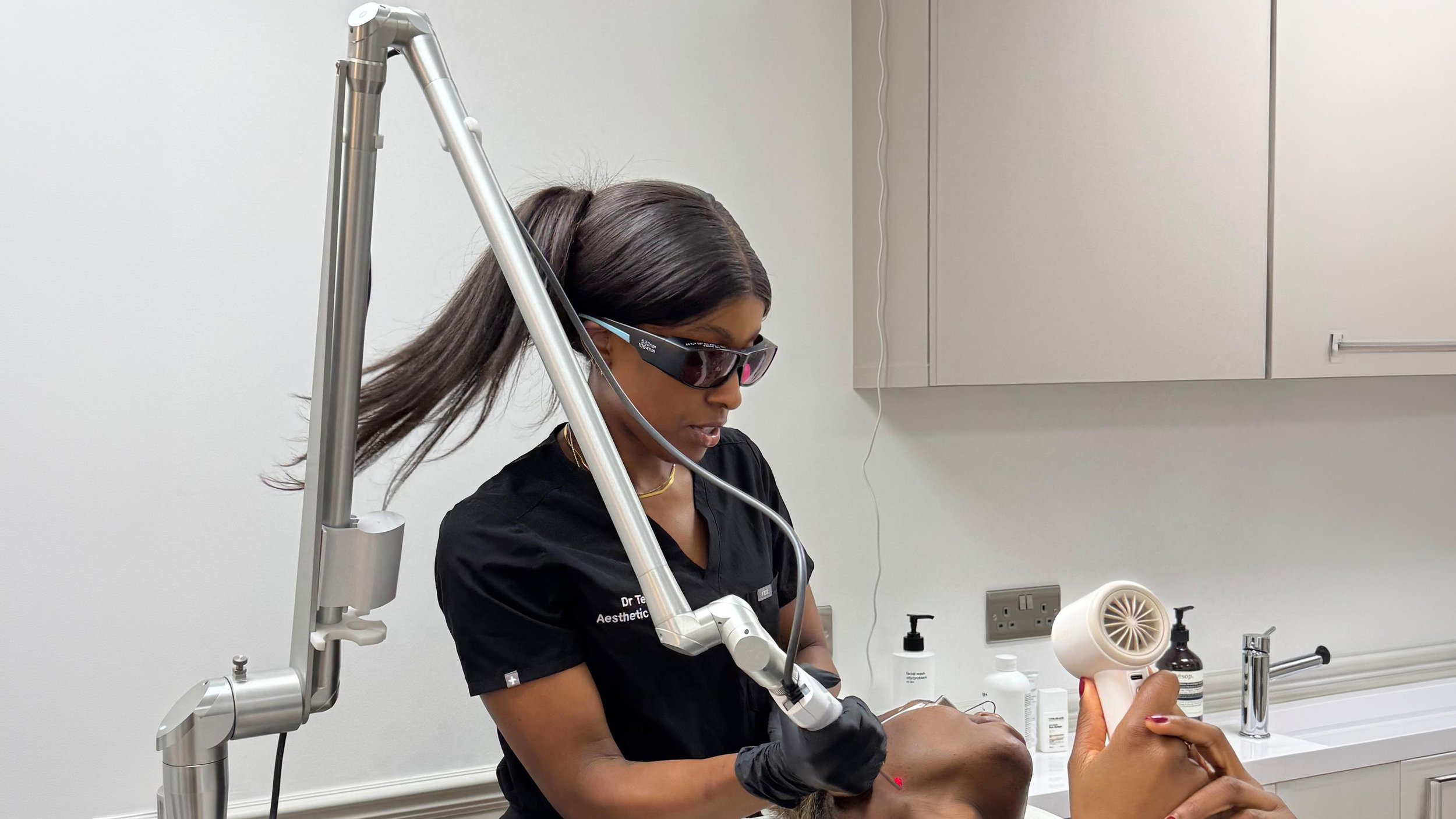
Read MoreSmita Ahluwalia, award-winning facialist and founder of Smita London, sets out a clear, science-led roadmap for treating hyperpigmentation in skin of colour. Drawing on three decades of practice and her South Asian heritage, she explains why melanin-rich skin needs inflammation-aware protocols and careful modality choice. Expect a measured take on The Green Peel, gentle mandelic and lactic peels, microneedling with pigment modulators, LED for recovery, and NanoFractional RF for texture and tone, with selective use of Nd:YAG where appropriate. The focus is long-term clarity and barrier health supported by daily SPF and targeted home care, with menopause and skin of colour needs front and centre.
Read MoreKatie Hughes-Dawkins, veteran clinician turned sales leader and former multi-clinic operator, distils twenty-five years of frontline insight into what truly works. She sets neuromodulators as the reference point, backs Alexandrite and Nd:YAG for lasting hair removal, and positions CO₂ resurfacing as the heavy lifter for texture and scars. Fillers earn a cautious yes in expert hands, while facials, peels and disciplined home care form the base that makes everything else perform. Her message is clear: choose proven platforms, skilled practitioners and a partnership approach for results that last.
Read MoreDr Jennifer Owens, dentist and MSc Aesthetic Medicine graduate from St Barts and founder of The Glow Clinic in Dublin and Cork, explores the shifting line between beautification and correction in modern aesthetics. She shows how lip enhancement in youth, midface restoration with age, and energy-based skin treatments can all sit on the same spectrum when harmony and facial balance lead the plan. Drawing on real-world cases and the “designed self” concept, she explains why patient perception and mental health matter as much as anatomy. The result is a clear, compassionate guide to treatments that help patients look authentically themselves.
Read MoreYou hear it every peak peel season - “Is it normal for my skin to purge after a facial?” The word purge has travelled from social media into clinic language, yet it rarely means the same thing to clients and practitioners. To the client, any post-treatment spots feel like proof of a reaction. To professionals, those early blemishes can reflect predictable biology, poor barrier tolerance, or unrelated acne triggers that happened to coincide with treatment. “Skin purging” is not a formal medical diagnosis. It is a consumer term used to describe a temporary flare of spots after introducing actives that increase epidermal turnover, most famously topical retinoids. Dermatology literature documents early acne flaring with retinoids, although the phenomenon is better framed as irritation and accelerated comedone cycling rather than a discrete disease entity.
Read MoreAutumn is shaping up to be the season clinics lean into longevity, precision and polish. After years of micro-maintenance, patients are asking for fewer appointments with more durable payoff, favouring treatments that rebuild structure, bank collagen and refine skin quality rather than simply add volume. We’re seeing two tracks rise in tandem: regenerative biostimulatory protocols that improve texture, tone and pore profile over weeks, and meticulously engineered procedures that reposition rather than inflate, delivering definition without the giveaway finish. Devices are getting faster and kinder to skin, pairing high frequency mechanics with intelligent delivery to minimise irritation while driving actives exactly where they need to go. Body care is stepping out of the shadows, with back, scalp and stretch-mark solutions moving from niche to normal, and luxury hospitality filtering into treatment menus so results and experience land on equal footing. In clinic diaries, that translates to glow now, lift that lasts and protocols that layer hydration with repair for the pre-party run-up. This month’s launches reflect that direction of travel, from structure-first rejuvenation to next-wave skin boosters and precision microneedling systems, with spa-grade rituals that feel considered rather than cosmetic. The common thread is subtlety with stamina, and outcomes that read as you on your best day.
Read MoreSkincare needs time and consistency to deliver visible improvements. A full skin cell turnover cycle is roughly 28 days for a young adult, so most routines show initial signs of working in about a month. Dermatologists usually advise sticking with a new regimen for at least one skin cycle before judging its effectiveness. Many changes, such as fading sun damage or softening wrinkles, require multiple cycles. The key is daily use and realistic expectations.
Read MoreDr Lylah Hill unpacks the science of SPF, revealing how reliance on erythema-based MED testing and fair-skin models skews our idea of protection. Drawing on histology and photobiology, she shows that darker skin still sustains UV induced DNA damage, that melanin can mask redness without preventing CPDs, and that visible light and UVA1 drive photoageing. A sharp case for inclusive, evidence based SPF standards and smarter public guidance, not a one size fits all sunscreen.
Read MoreDr Jess shares a clear, no-nonsense guide to regenerative tweakments, explaining how biostimulators help skin repair itself rather than simply fill or relax muscles. She breaks down the leading options - polynucleotides, exosomes, CaHA and PLLA, when to use them, and why patients and clinics are choosing their natural, progressive results.
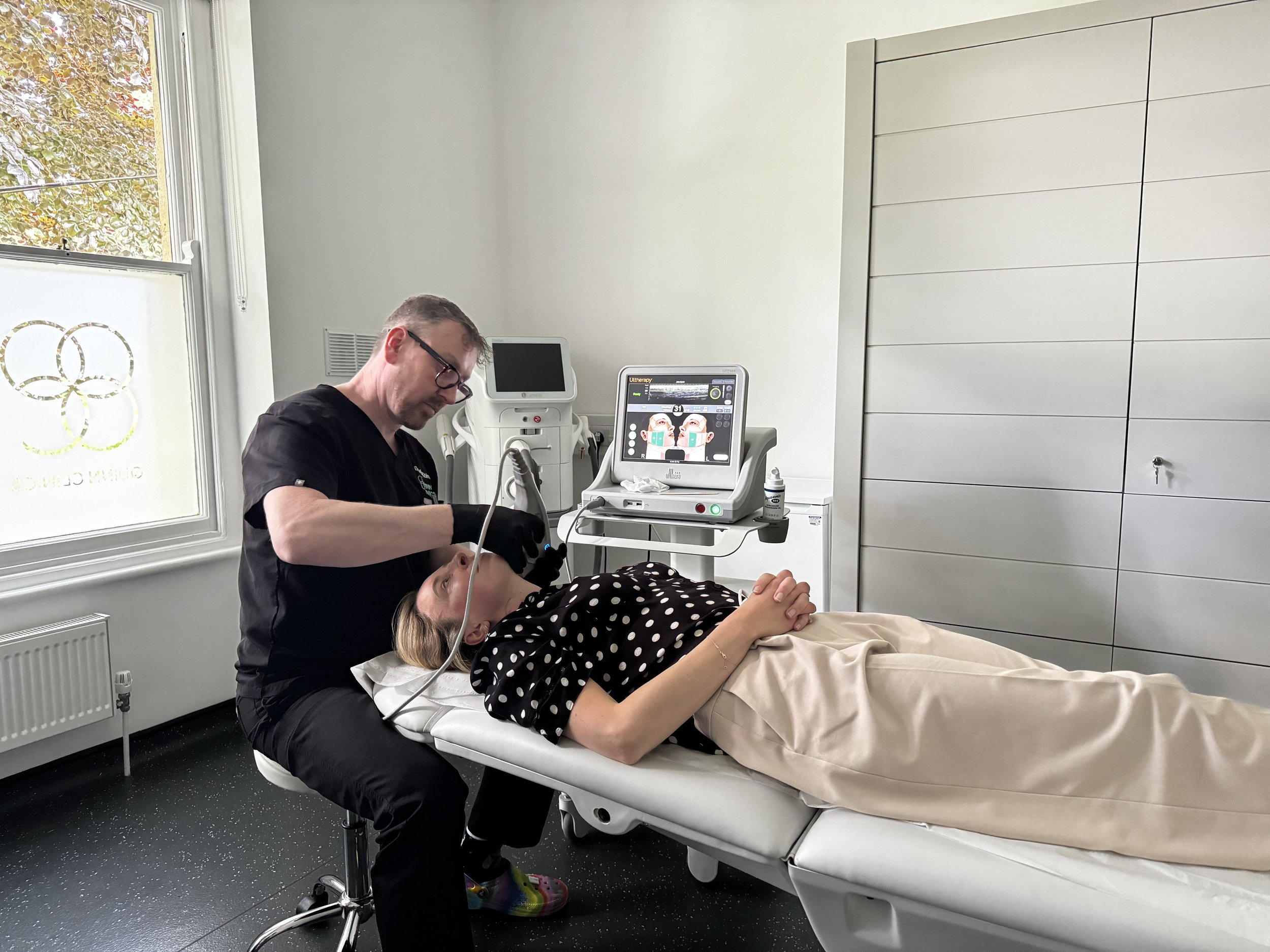
Read MorePoint of care ultrasound is moving from emergency rooms into aesthetic clinics, where it is being used to map vessels, confirm injection planes and troubleshoot complications in real time. High frequency probes can visualise superficial soft tissue with impressive detail, so practitioners can plan, inject and document with far greater confidence than with palpation alone. Early studies and expert guidance suggest that ultrasound guidance lowers risk and improves placement accuracy, particularly in high stakes areas like the midface and temples.
Read MoreClinics offering botulinum toxin are being told to audit their cold-chain now or risk non-compliance when England’s new licensing regime lands. The Cosmetic Practice Standards Authority (CPSA) requires botulinum toxin to be stored in a lockable, purpose-built medicines refrigerator that maintains a stable +2 °C to +8 °C with routine temperature auditing and records.
Read MoreBreast augmentation is being rethought. Patients who once asked for obvious volume now arrive with screenshots of neat, high-sitting results that read as athletic and proportionate. In clinic language this is the ballerina breast look. It signals a preference for control over conspicuity, and it is changing the pre-op conversation across the UK and beyond.
Read More