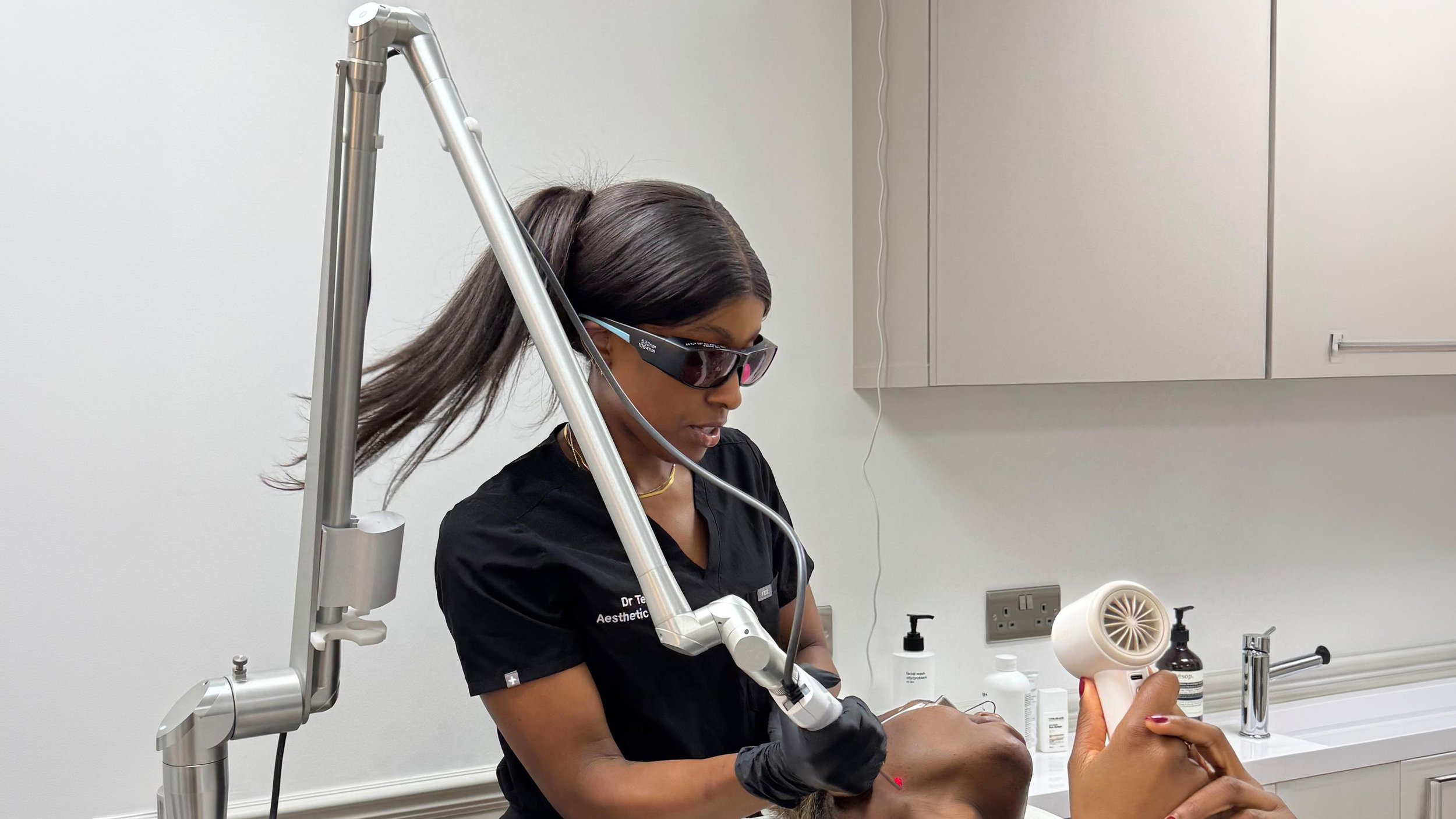
The Low-Downtime Laser Worth Knowing About
It’s important to remember that skin treatments are never one-size-fits-all. Dr Tego Kirnon-Jackman has created SKINMENU around a far more thoughtful approach, where every treatment is tailored to the individual, with protocols designed to adapt to your skin rather than forcing it into a standardised plan.
Read More
Can You Really Resurrect Your Skin in 60 Minutes?
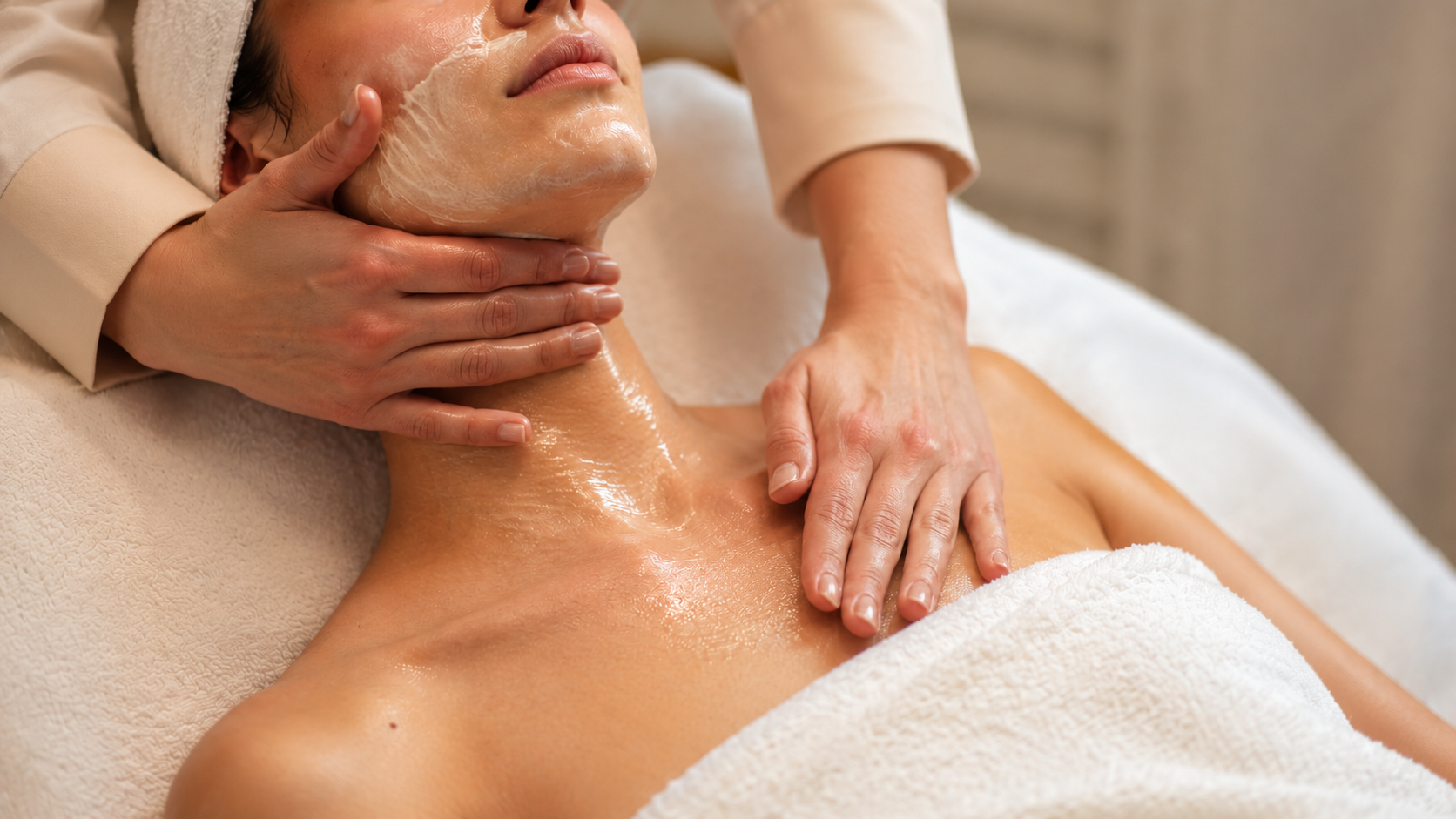
I recently experienced the 60-minute Katherine Daniels Skin Resurrection Treatment at Iris Avenue, and it was one of the most relaxing and hydrating facials I’ve had in a long time.
Read More
How Do At-Home Beauty Tech Devices Work With the Treatment Room?
SKINVITY moved into Selfridges' Smartech space last month, the latest beauty tech brand to graduate from selling direct online to a spot on the prestige retail floor, clinical claims and all and for salons, this means that another wellness tech company is cranking the dial up and putting professional-grade kit, LED, radiofrequency and pressotherapy, into the hands of the same clients who book your treatments.
Read More
"You Earn That Wrinkle By Wrinkle": Janna Ronert on What's Really Changing in Professional Skincare
Our editor spoke with Janna Ronert, founder of IMAGE Skincare, licensed esthetician and chairwoman of the board, whose brand says it is used by more than 60,000 licensed estheticians across over 60 countries. Together we explored what has really changed in clinic demand, why sensitive skin is still so often misread, how professional skincare should work alongside in-clinic procedures, and what clinics need to focus on now to keep their skincare offering strong going into 2026.
Read More
How LED Phototherapy is Moving Into Recovery Focused Aesthetics
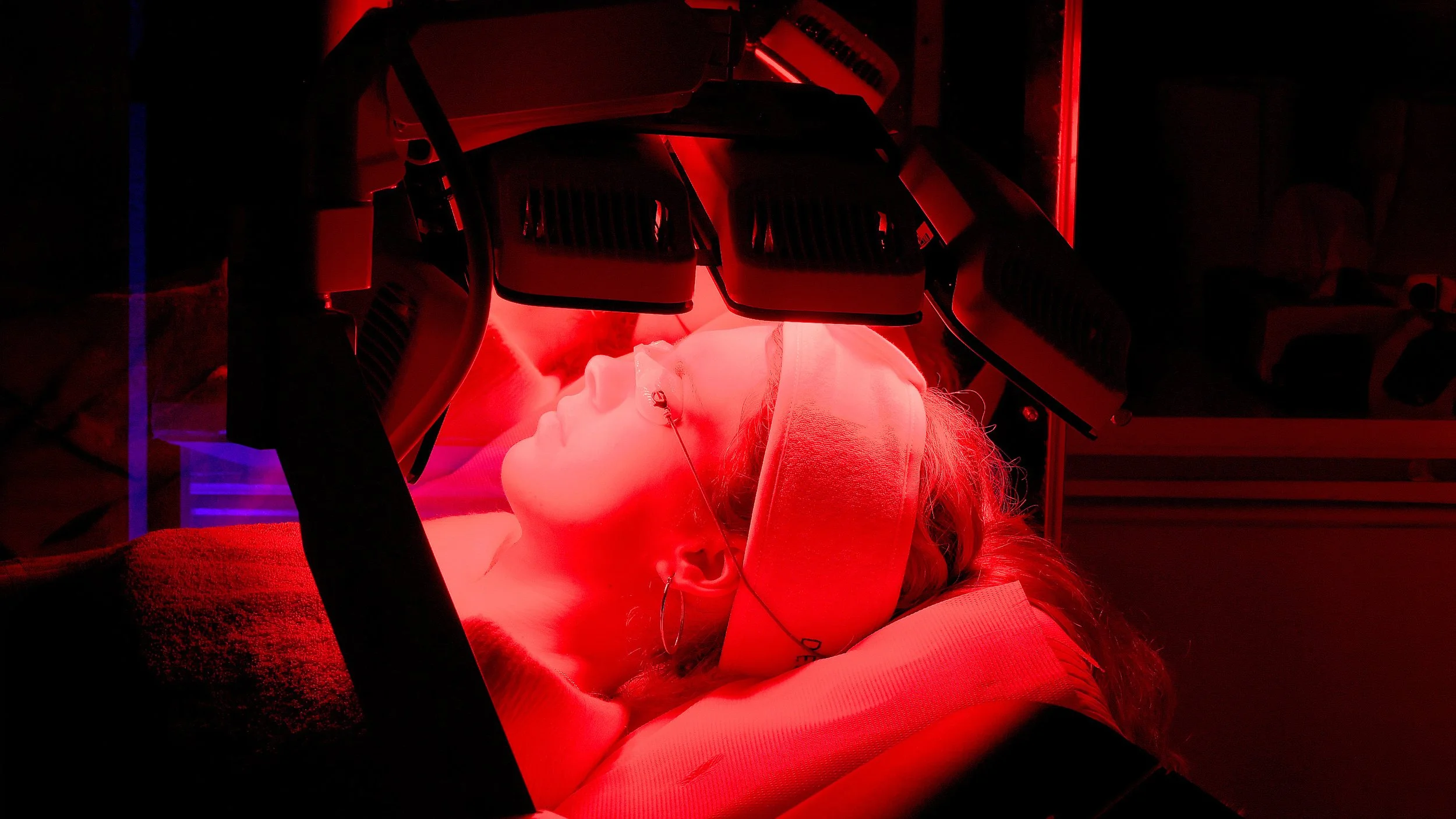
As advanced aesthetics places greater emphasis on recovery, clinicians are looking more closely at the technologies that can support tissue repair, regulate inflammation and improve patient comfort after treatment. LED phototherapy has long been used within acne and skin rejuvenation protocols, but its role is now widening. In clinic settings, it is increasingly being considered as part of a broader treatment plan that sits around a procedure, rather than as a standalone skin treatment.
Read More
The Big Pore Myth Broken Down by Experts
Pores remain one of the most misunderstood features in skincare. They are routinely blamed for uneven texture, shine, congestion and the failure to achieve the smooth, refined finish that has become shorthand for healthy skin. In reality, pores are not cosmetic accidents. They are functional openings within the skin, closely tied to oil production, thermoregulation and the skin’s wider protective system. The problem is not that pores exist, but that they continue to be discussed in language that is anatomically inaccurate and commercially over-simplified.
Read More
Neuro-aesthetics and Why “Looking Better” is Only Half the Mechanism
Neuroaesthetics is the scientific study of how the nervous system produces aesthetic experience: how we perceive, evaluate and feel pleasure (or aversion) when we look at faces, bodies, products, interiors, images and art. In the academic literature, it sits inside cognitive neuroscience and empirical aesthetics, with a consistent finding that there is no single “beauty centre”. Instead, aesthetic judgement emerges from a distributed network that integrates what the eyes and skin register, what reward and emotion circuits assign as value, and what memory and meaning systems contribute from culture and personal identity.
Read More
Integrating Compounded Skincare into Clinic and Salon Protocols
Personalisation has become a default promise in skincare marketing, yet many clinics still run into the same bottleneck once a patient’s skin stops improving. The difference between “tailored” retail routines and true personalisation is that one adjusts what is already on the shelf, while the other changes the formulation itself, including the vehicle, excipients, pH window and concentration, based on the patient’s presentation and tolerance.
Read More
How Brands Are Translating Polynucleotide Regeneration into Consumer Skincare
In the past few years, polynucleotides have lived where regenerative claims are allowed to be explicit: in the hands of clinicians. Mention PDRN, salmon DNA, or the viral “salmon sperm facial”, and the mental image is rarely a bathroom shelf. It is an injectable protocol, a post procedure recovery plan, a “skin booster” appointment, and a patient who expects their skin to behave differently in weeks, not months.
Read More
The Latest Professional Beauty Treatments on the Market
The latest new treatment launches read like a very clear signal from the market: clinics are being asked to deliver visible results, faster, with less downtime, while treating the client’s nervous system and lifestyle as part of the skin story. This month’s line up spans menopause care rooted in Traditional Chinese Medicine, stress focused Ayurvedic ritual work, upgraded professional peeling that prioritises barrier safe hydration, and a strong showing from energy based devices that promise “collagen banking” and deep remodelling without the social downtime clients increasingly refuse. Taken together, the trend is towards treatments that sit in the sweet spot between performance and reassurance, where the transformation is real but the delivery feels restorative, not aggressive.
Read More
How To Prevent Post Inflammatory Hyperpigmentation in Skin of Colour
Post inflammatory hyperpigmentation is one of the most visible complications you can trigger in skin of colour, yet it is also one of the most preventable. For Black, Asian, Middle Eastern and many mixed-heritage clients, a single bout of inflammation, a too-strong peel or an over-zealous laser pass can leave a mark that lingers for months, even years. PIH is not only a clinical issue, it is also an emotional and reputational one for salons, clinics and aesthetic practitioners.
Read More
Why Do Some Clients React to Vitamin C and Others Do Not?
Vitamin C has moved from niche antioxidant to non-negotiable in many professional skincare menus. Yet for every client who swears by their brightening serum, there is another who reports stinging, flushing or rough texture after introducing it. For practitioners, understanding why vitamin C behaves beautifully in some skins and irritates others is essential for safe recommendations, realistic expectation-setting and troubleshooting when things go wrong.
Read More
The Unsung Skincare Ingredient that Went From Wound Healing to Barrier Repair in Skincare
Chitosan has spent decades in the quiet end of healthcare, tucked into dressings and gels in hospital wound wards. Now it is edging into beauty hall territory. The ingredient crossed over into mainstream beauty headlines in 2024 when Dyson unveiled its first Chitosan styling range, powered by chitosan derived from oyster mushrooms and engineered with its Triodetic technology for flexible, long lasting hold in hair styling products. For many consumers, that launch was the first time they had seen the word on shelf. For formulators and clinicians, it was a reminder that one of medicine’s most versatile wound polymers is finally being taken seriously for everyday barrier care.
Read More
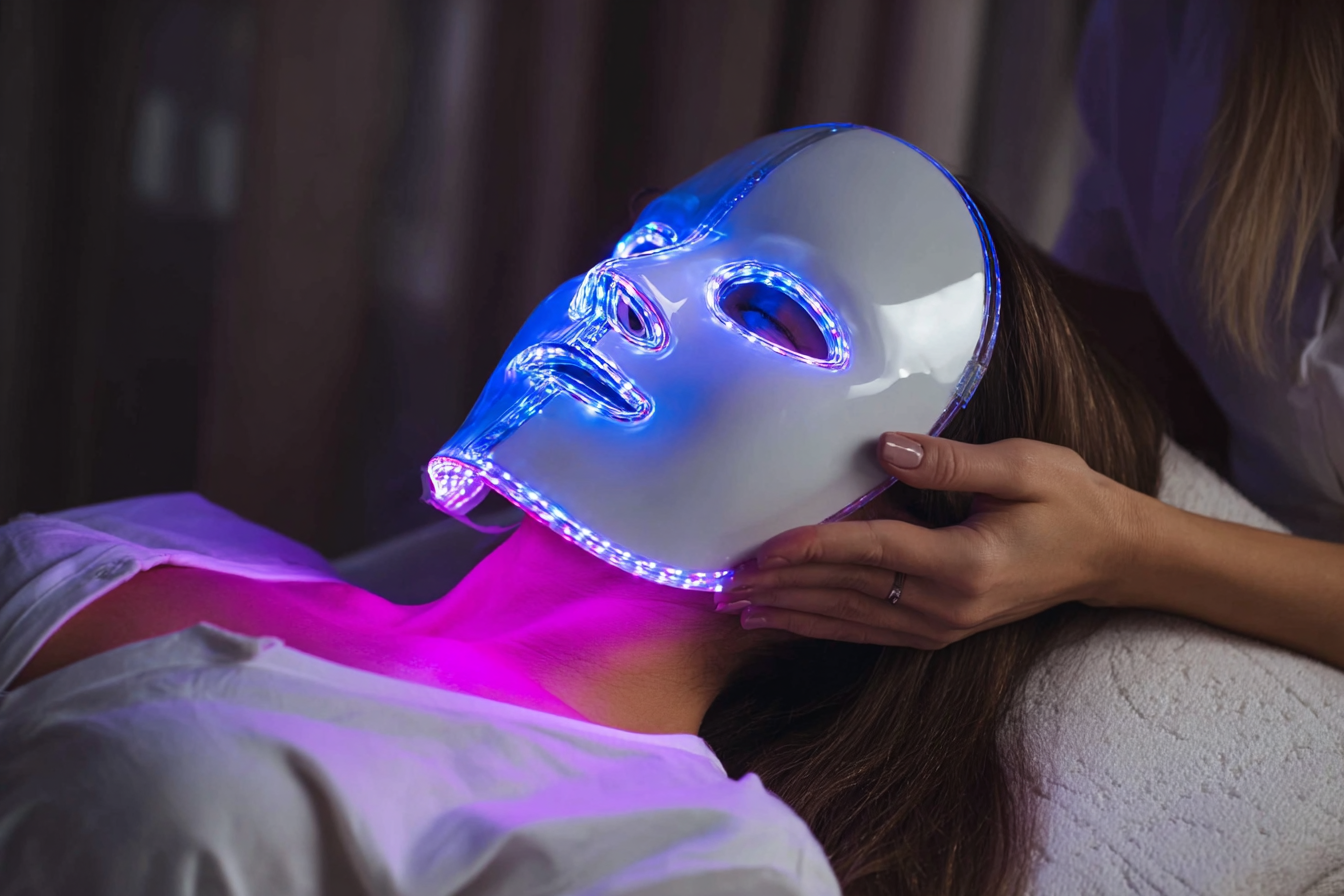
The Real Science Behind LED Masks and What Practitioners Need to Know
When the Advertising Standards Authority (ASA) announced that it had banned a series of LED face mask adverts over acne and rosacea claims, it sent a clear signal to the beauty sector. Four brands were found in breach of the CAP Code after social media and website ads claimed their masks could “treat acne”, “heal rosacea” and “kill acne causing bacteria”, often backed with before and after images. Both acne and rosacea are classified as medical conditions in UK law, which means any device claiming to treat them must be registered with the MHRA as a medical device and supported by robust clinical data.
Read More
Investigation Reveals Illegal Human-Derived Exosomes Used in Clinics
A 5 News undercover investigation has found beauty clinics across the UK offering microneedling facials that use exosomes harvested from human tissue, despite UK rules that prohibit human-derived material in cosmetics. In the report, some clinics acknowledged using products sourced from umbilical cord blood or liposuction fat.
Read More
What Does the Dua Lipa x Augustine Bader Partnership Mean for the Future of Celebrity Brands?
When Dua Lipa unveiled DUA, a three-piece skincare line created with Augustinus Bader, industry watchers clocked more than another celebrity drop. It looks like a new blueprint for how fame, science and price architecture can co-exist without cannibalising the parent brand or exhausting consumers who are weary of celebrity-fronted launches. The range launched on 4 November 2025 with a cleanser, a glow serum and a moisturiser priced roughly $40 to $85, well below Augustinus Bader’s core line. The line uses a proprietary complex called TFC5, positioned as a gentler sibling to AB’s hallmark TFC8.
Read More
What Skincare Do Children Actually Need?
Shay Mitchell’s launch of Rini, a kids’ skincare line for children as young as 3, has intensified a debate already rumbling through clinics, schools and social feeds: should children have skincare routines at all, and if so, what do they need. The short answer from dermatology literature and UK clinical guidance is simple. Healthy children need very little beyond gentle cleansing, moisturising when skin is dry, and rigorous sun protection. Everything else risks irritating an evolving skin barrier or normalising cosmetic overuse at an early age. The longer answer is that needs change with biology, not marketing cycles, and that biology is clear.
Read More
Can You Use Lemon Essential Oil On the Skin?
Lemon essential oil is popular with formulators because it smells clean, cuts through oil, and carries a reputation for brightening. Its activity comes largely from volatile monoterpenes such as limonene, β-pinene and γ-terpinene, with smaller amounts of citral and related compounds. In vitro and ex vivo work shows antioxidant capacity and broad antimicrobial effects against several bacteria and fungi, which helps explain its use in products aimed at oily or blemish-prone skin and as a natural preservative adjunct. That said, most efficacy data sit at bench scale rather than in robust clinical trials, so positioning should be measured.
Read More
The Best In-Clinic Treatments for Hyperpigmentation in Skin of Colour
Smita Ahluwalia, award-winning facialist and founder of Smita London, sets out a clear, science-led roadmap for treating hyperpigmentation in skin of colour. Drawing on three decades of practice and her South Asian heritage, she explains why melanin-rich skin needs inflammation-aware protocols and careful modality choice. Expect a measured take on The Green Peel, gentle mandelic and lactic peels, microneedling with pigment modulators, LED for recovery, and NanoFractional RF for texture and tone, with selective use of Nd:YAG where appropriate. The focus is long-term clarity and barrier health supported by daily SPF and targeted home care, with menopause and skin of colour needs front and centre.
Read More