Why the Best Blow Dry in the Salon Rarely Owes Much to the Dryer
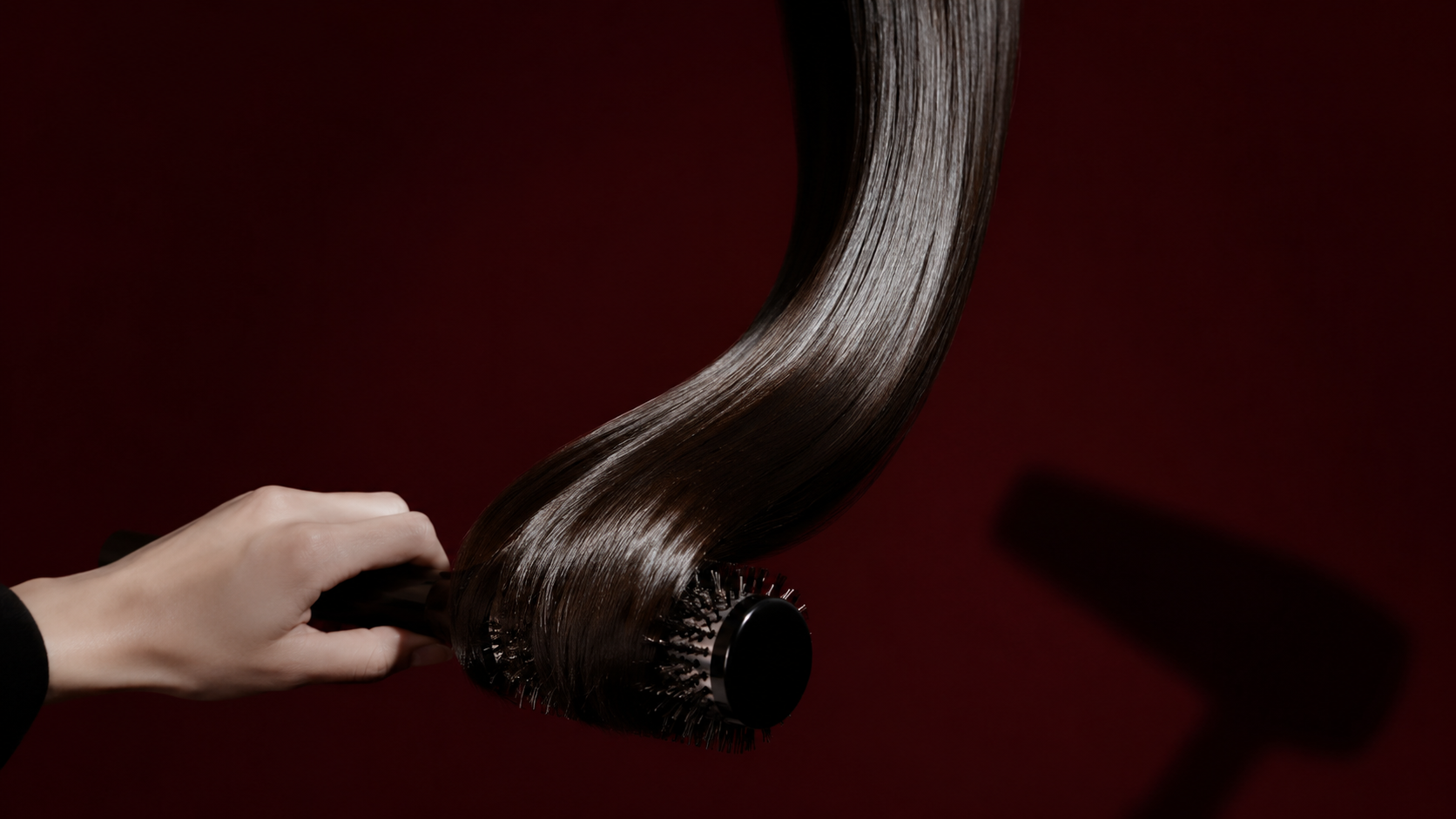
A new dryer will make a stylist faster. It will not make them better. That distinction gets lost in most of the marketing around premium tools, and it costs salons money in the wrong direction. Premium brands have spent a long time selling speed, which is fair enough, because speed is worth selling. A well-engineered dryer with strong, even airflow does shorten the time a stylist spends on each head, and it does lower the cumulative heat a client's hair takes across a full column. Both of those matter, commercially and for condition. Somewhere along the line, though, the pitch slid from "this will help you work faster" to "this will make your blow dry better," and those are not the same promise. A blow dry that holds is built from sectioning, tension, cuticle control and the cool shot, and none of that lives in the handle of a dryer.
Read More
The Low-Downtime Laser Worth Knowing About
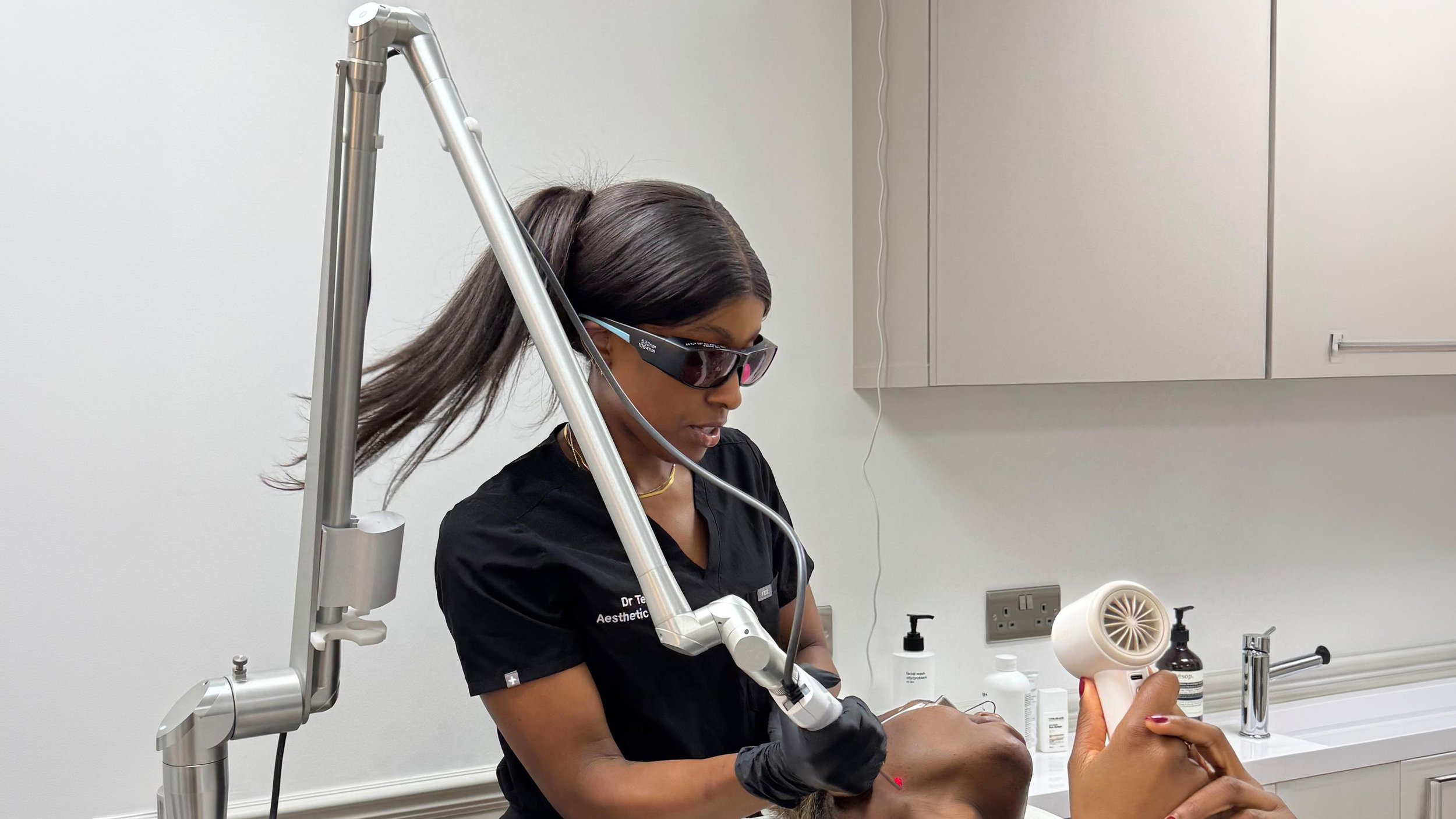
It’s important to remember that skin treatments are never one-size-fits-all. Dr Tego Kirnon-Jackman has created SKINMENU around a far more thoughtful approach, where every treatment is tailored to the individual, with protocols designed to adapt to your skin rather than forcing it into a standardised plan.
Read More
Trend Report: Why Fragrance Wardrobes Are Replacing the Signature Scents
Traditionally, consumers have been encouraged to find “their scent” and remain loyal to it for years, sometimes decades. Anna Dobbie explains how the modern fragrance customer's behaviour is shifting to become more bespoke.
Read More
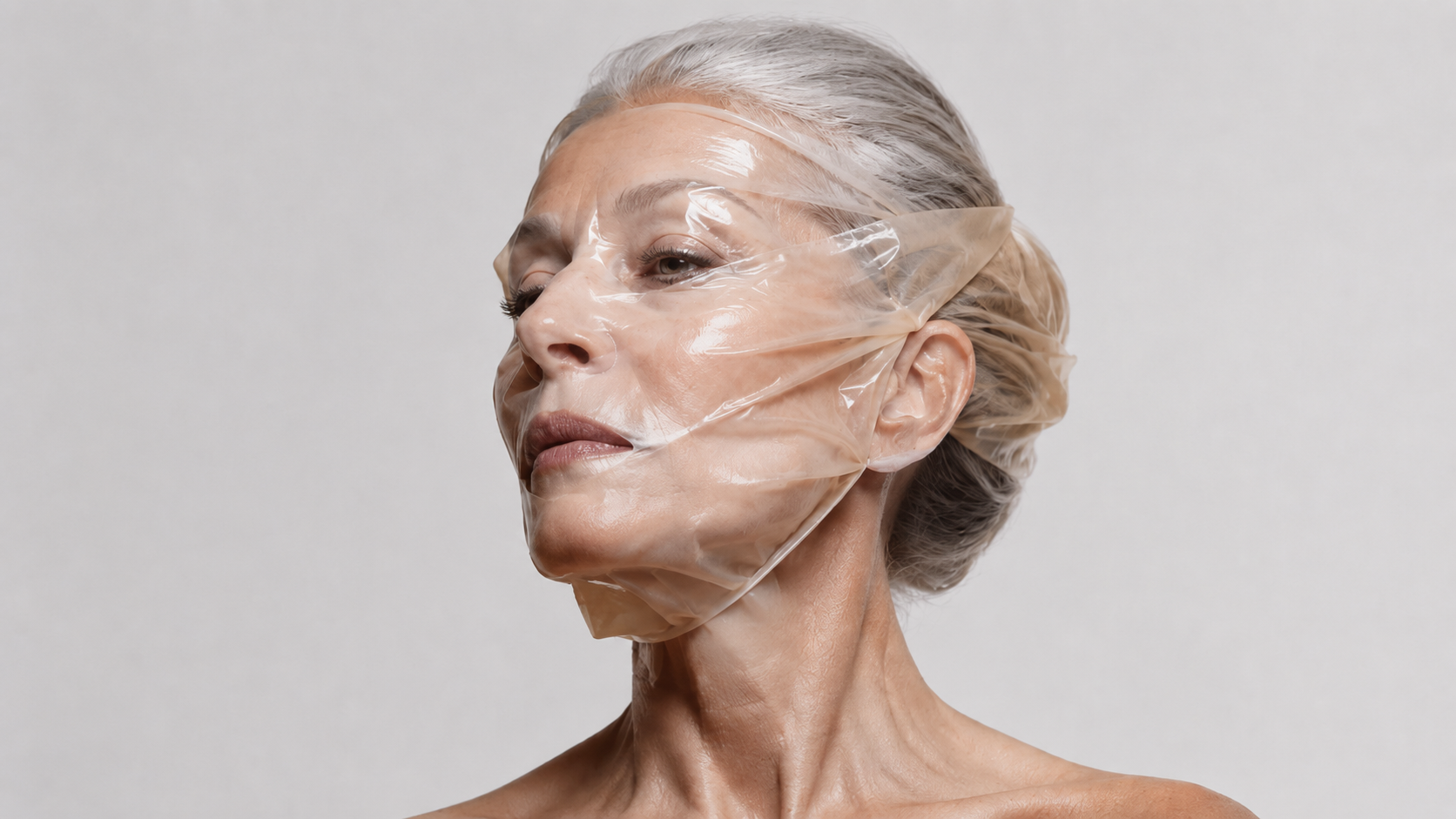
Can You Really Resurrect Your Skin in 60 Minutes?
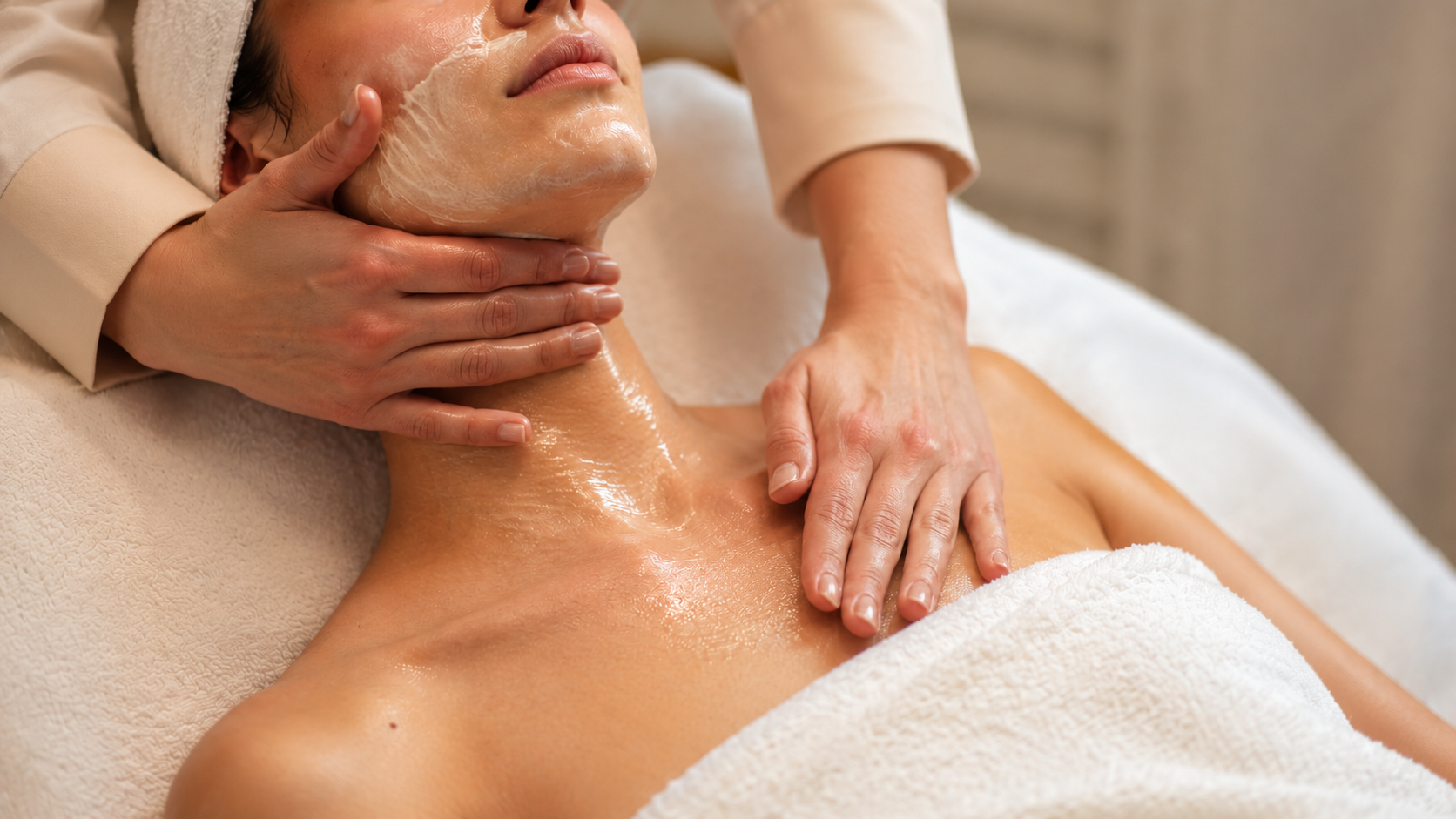
I recently experienced the 60-minute Katherine Daniels Skin Resurrection Treatment at Iris Avenue, and it was one of the most relaxing and hydrating facials I’ve had in a long time.
Read More
How Do At-Home Beauty Tech Devices Work With the Treatment Room?
SKINVITY moved into Selfridges' Smartech space last month, the latest beauty tech brand to graduate from selling direct online to a spot on the prestige retail floor, clinical claims and all and for salons, this means that another wellness tech company is cranking the dial up and putting professional-grade kit, LED, radiofrequency and pressotherapy, into the hands of the same clients who book your treatments.
Read More
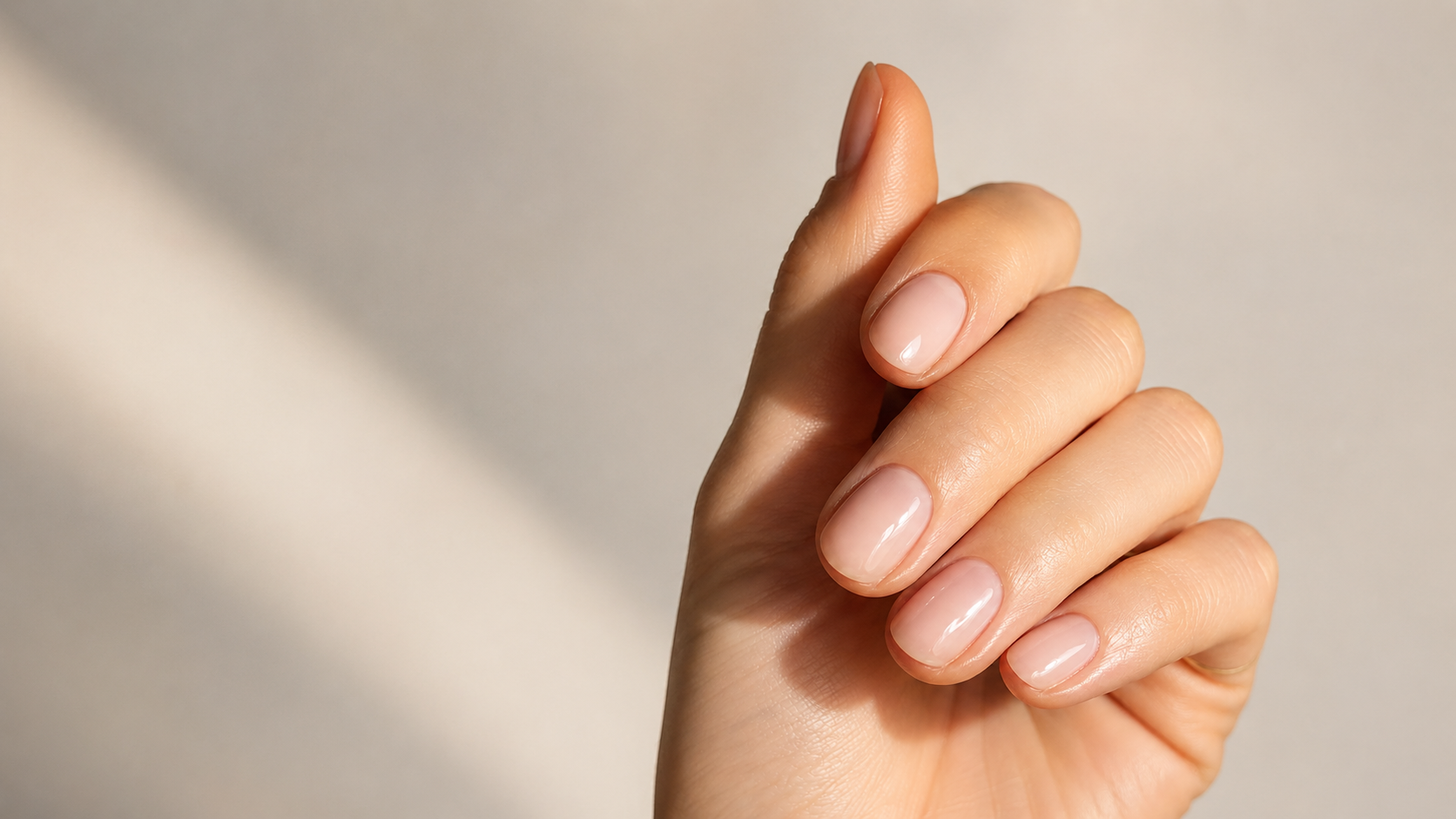
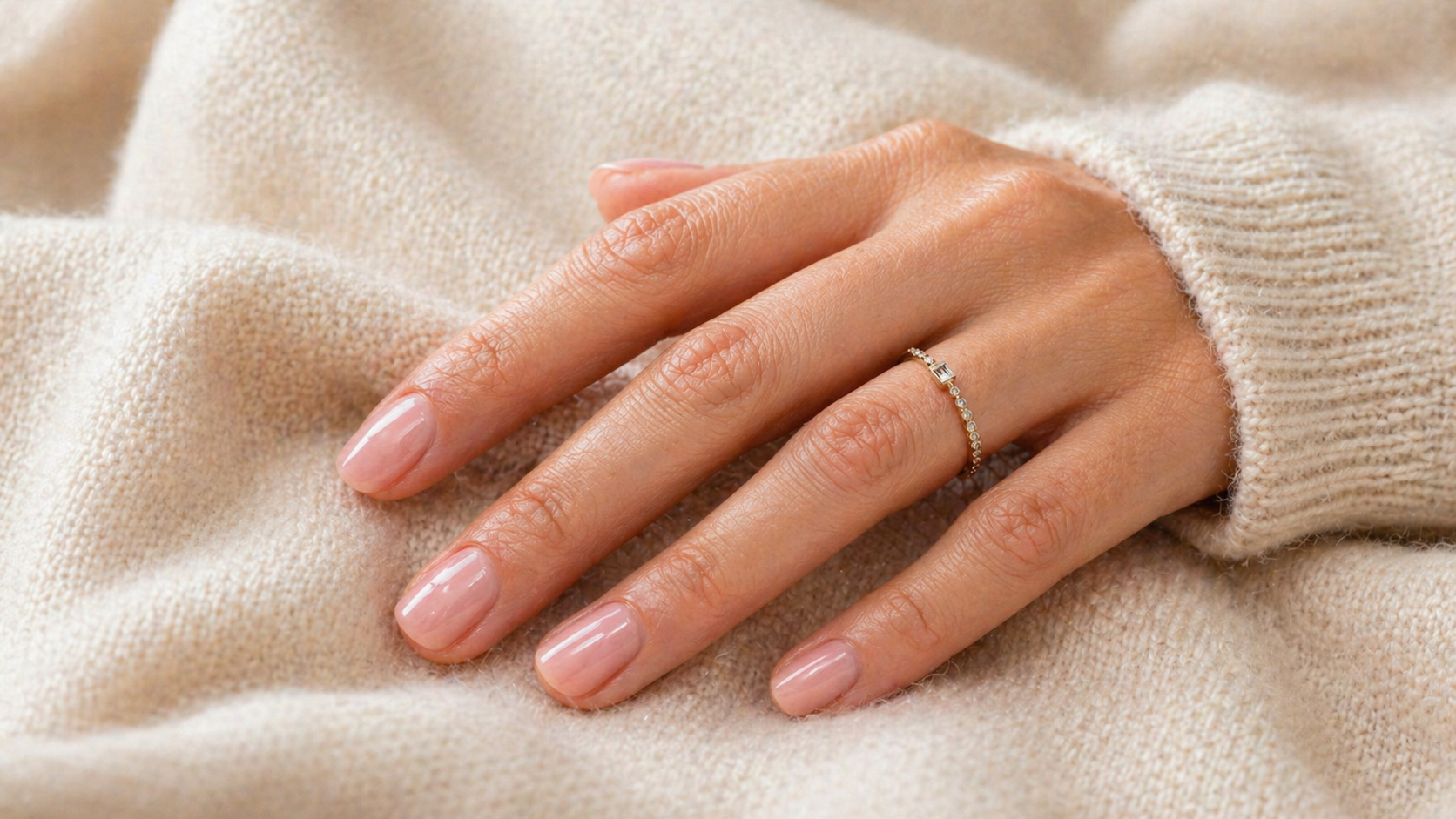
Is the Bare Nail Quiet Luxury, or a Recession Indicator?
The shortest, sheerest manicure in years is having its moment, and nobody can agree on what it means. To one camp, the bare nail is the new quiet-luxury flex. To another, it's a recession indicator hiding in plain sight. The frustrating part for anyone working on the floor is that both camps may be right at once, and you cannot tell which client is sitting in front of you by looking at her hands.
Read More
Menopause and Hair Loss: What Practitioners Need to Know
Menopausal hair thinning is becoming a major concern in aesthetic clinics and salons alike. Together with Kam Dogan, founder and clinical director of The PRP Lab, we look at why practitioners are under growing pressure to provide informed advice, successful treatments, and realistic expectations.
Read More
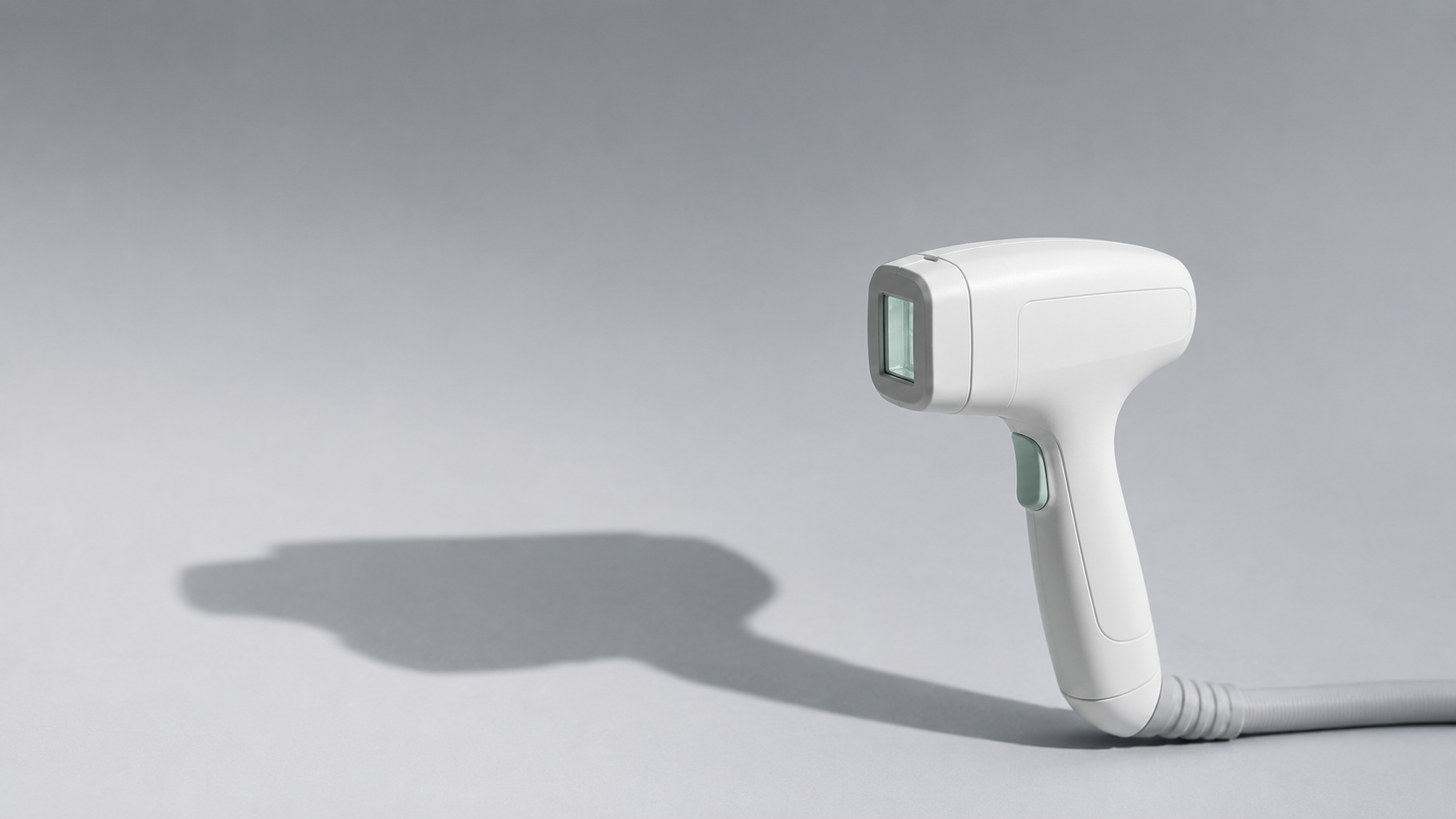
What a Counterfeit Device Actually Costs You
A laser burn complaint comes in. The clinic pulls the device file to send to the insurer. That is when a growing number of UK practitioners are finding out that the device they have been using is not what they thought they bought. By the time the insurer's coverage decision arrives, the practitioner is already exposed personally, and the protection they thought was in place turns out to be conditional on paperwork that does not actually exist.
Read More
How to Keep to Time Without Watching the Clock in the Treatment Room
Constant clock-checking tells a client you would rather be elsewhere. Here is how experienced practitioners stay on schedule without ever appearing to watch the time.
Read More
The Difference Between Getting a Face Lift in Your 50s and 70s in Practice
With Consultant Plastic and Reconstructive Surgeon Mr Paul Tulley, we explore how the operation shifts between younger and older candidates, and what that means for the choice of technique and the longevity of the result.
Read More
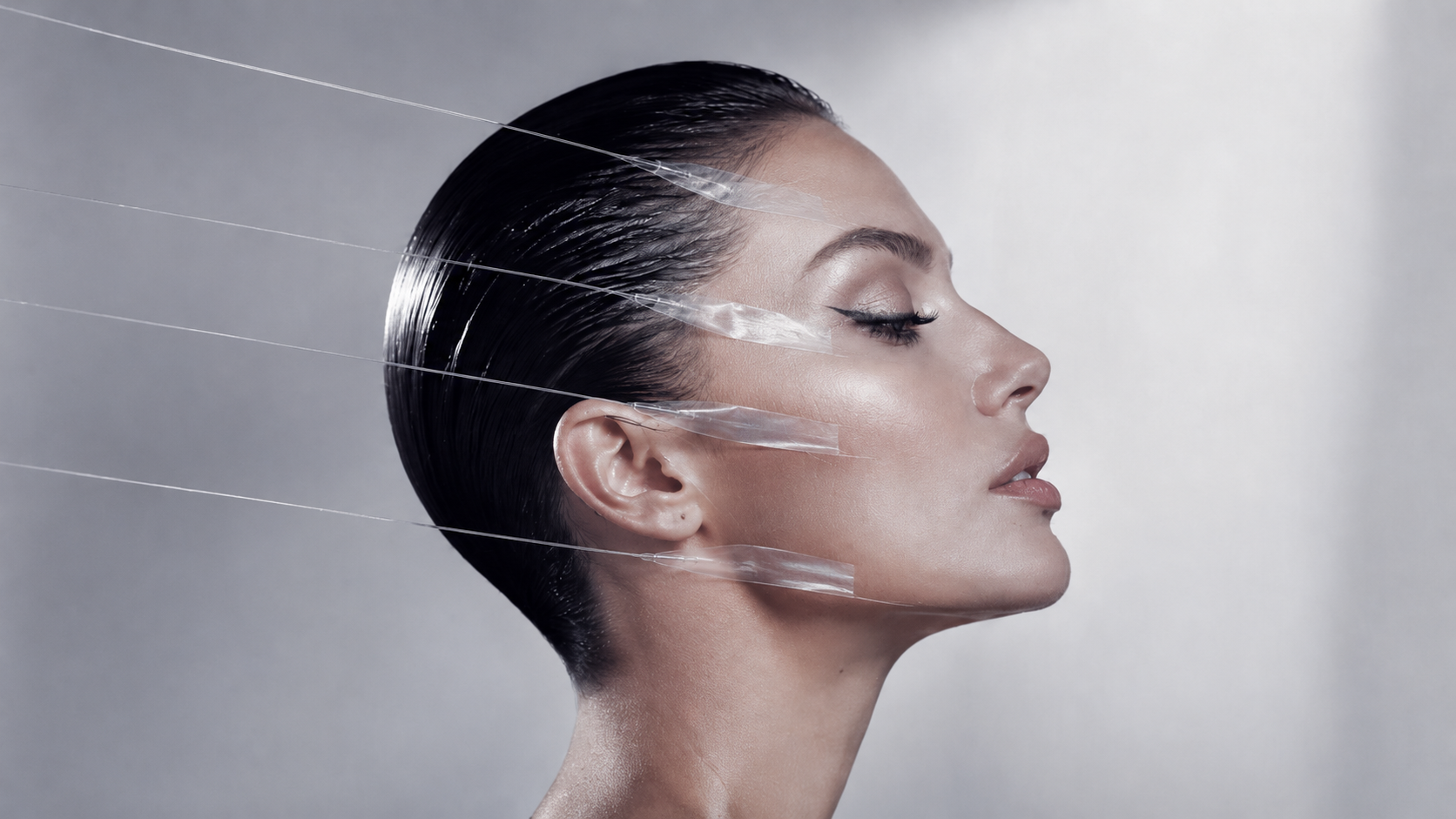
Why Most 'Slipping' Facelifts Aren't Slipping at All
The phrase "facelift slipping" has moved from niche surgical forums into mainstream feeds. After Kris Jenner's reportedly $300,000 facelift became the subject of tabloid claims that her results were already fading and that she was unhappy and looking at a revision, the conversation cracked open across TikTok, Instagram and the gossip press. Search behaviour picked up the change the press release pack flagged this month. People have stopped asking whether a celebrity has had work done. They want to know why the work looks different a few months later.
Read More
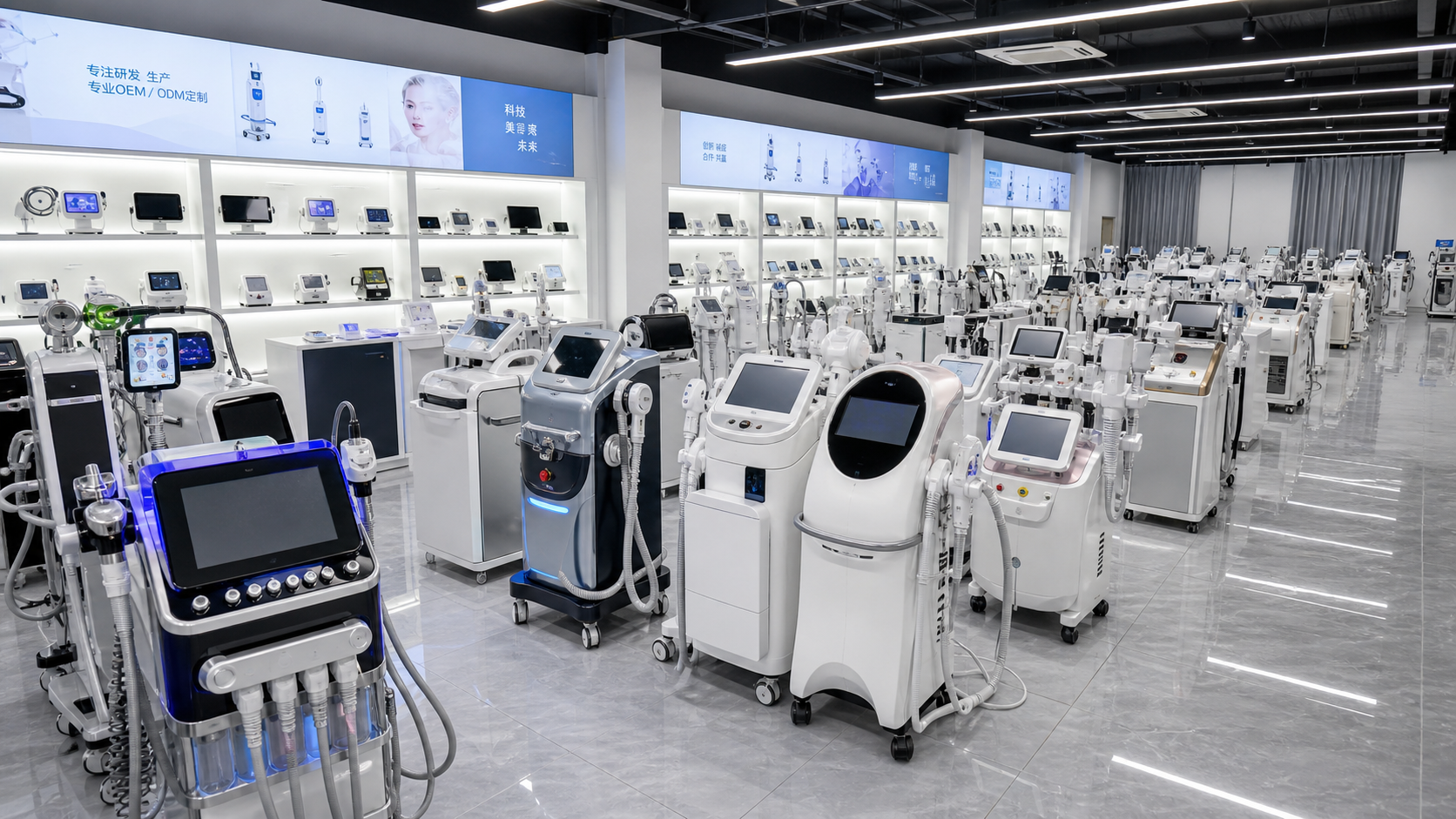
Influencers Are Telling You to Buy Your Machines from China. Here's Why You Shouldn't.
If you spend any time on the business side of TikTok, you'll have seen the videos. A creator wandering through a Guangzhou showroom, sweeping the camera across rows of laser machines, hydrafacial trolleys and cryolipolysis units. Prices flashed up that are a fifth, sometimes a tenth, of what you'd pay a UK distributor. It's good content but for any practitioner who acts on it, it is also some of the most expensive advice on the platform.
Read More
Diagnosing Why Enhancements Lift in Prep, Product and Technique
There is no complaint that ruins a working week faster than a returning client whose enhancements are peeling away at the cuticle. Lifting is one of the industry's most stubborn problems, and one of its most misunderstood. It is rarely caused by a single failure. Far more often, it is the cumulative effect of small oversights that compound across prep, application, and aftercare.
Read More
"You Earn That Wrinkle By Wrinkle": Janna Ronert on What's Really Changing in Professional Skincare
Our editor spoke with Janna Ronert, founder of IMAGE Skincare, licensed esthetician and chairwoman of the board, whose brand says it is used by more than 60,000 licensed estheticians across over 60 countries. Together we explored what has really changed in clinic demand, why sensitive skin is still so often misread, how professional skincare should work alongside in-clinic procedures, and what clinics need to focus on now to keep their skincare offering strong going into 2026.
Read More
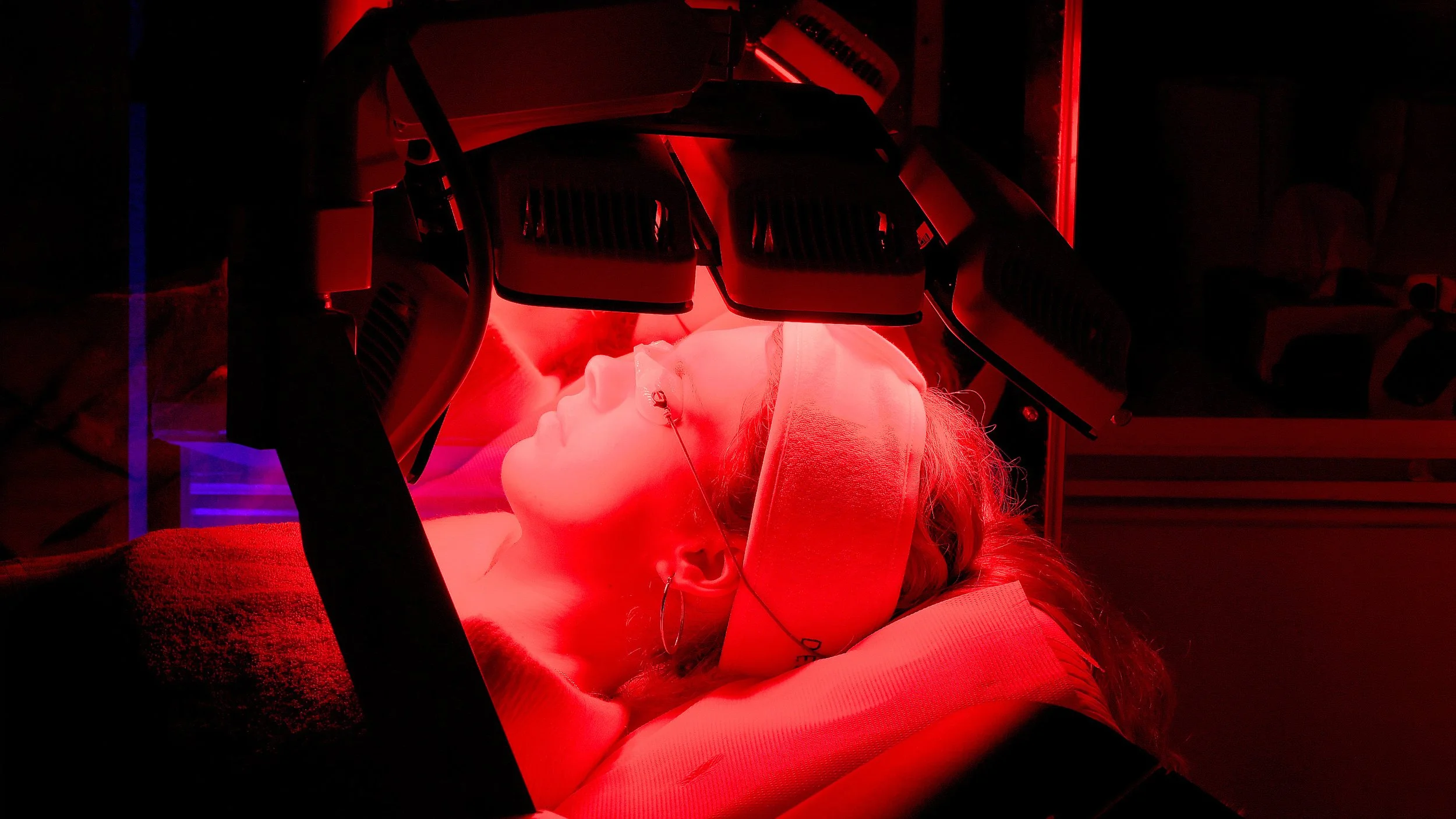
How LED Phototherapy is Moving Into Recovery Focused Aesthetics
As advanced aesthetics places greater emphasis on recovery, clinicians are looking more closely at the technologies that can support tissue repair, regulate inflammation and improve patient comfort after treatment. LED phototherapy has long been used within acne and skin rejuvenation protocols, but its role is now widening. In clinic settings, it is increasingly being considered as part of a broader treatment plan that sits around a procedure, rather than as a standalone skin treatment.
Read More
The Truth About Being a Woman in the Aesthetics Industry
Spend enough time in aesthetics and one pattern becomes difficult to ignore. Women make up much of the workforce, much of the patient base, and much of the commercial energy behind the sector, yet that reality has not always been matched by who holds authority at the top.
Read More
Which Spa Treatments Deliver Margin, and Which Only Take Up Room Time?
The global wellness economy is still growing at pace. The Global Wellness Institute says it reached $6.8tn in 2024, up 7.9% on the year before, with further growth forecast over the rest of the decade. That is good news for spas, but it does not make the commercial picture simple. A growing market can also become a more demanding one, particularly when operators are trying to balance staffing, rising costs, guest expectations and the practical limits of room capacity.
Read More
The Rise of Tweakment Hotels as Experts Express Patient Safety Concerns
The rise of non-surgical cosmetic treatments has brought with it a new phrase, and one that says a great deal about where the sector now finds itself. In the UK, “tweakment hotels” is increasingly being used to describe temporary or hot-desk treatment spaces, often in prestigious locations, where practitioners can rent rooms by the hour and benefit from the credibility of the postcode without necessarily offering the standards patients may assume come with it.
Read More
Why Substrate Depletion Is Emerging as Aesthetic Medicine’s Next Big Conversation
As regenerative aesthetics continues to move beyond correction alone, more attention is turning to what underpins long-term skin quality at a biological level, from amino acid availability to the role of substrate depletion within the extracellular matrix. Against that backdrop, biorestoration is emerging as a more technically nuanced area of aesthetic medicine, focused on supporting the skin’s ability to repair, renew and function more effectively over time. We sat down with aesthetic doctor and DermaFocus speaker Dr Catherine Fairris to discuss substrate depletion, the importance of amino acids in skin health, and where biorestoration, including Celora Vita, fits within the wider evolution of injectable treatment strategies.
Read More
The Chemistry Behind Rising Gel Allergies
Gel allergy is often framed as a trend problem, driven by social media, DIY misuse or poor training. In reality, it is a chemistry problem first. Modern gel systems rely on reactive ingredients that are highly effective when used correctly, but far less forgiving when technique slips. For nail professionals, that distinction matters. Rising allergy rates are not simply about one ingredient or one bad set of nails. They are about what happens when reactive chemistry meets skin exposure, poor curing and inconsistent system use.
Read More